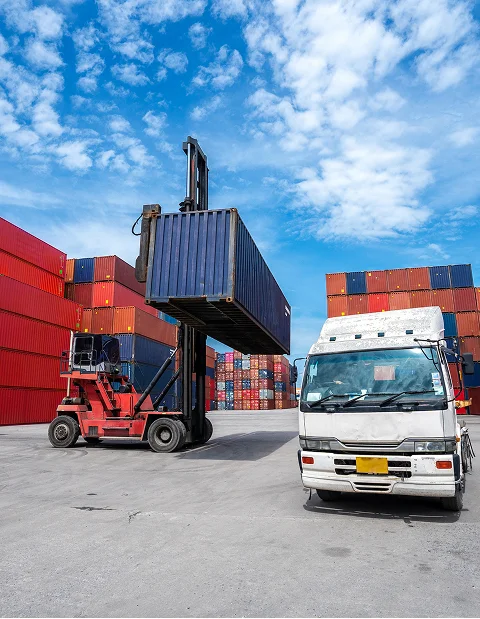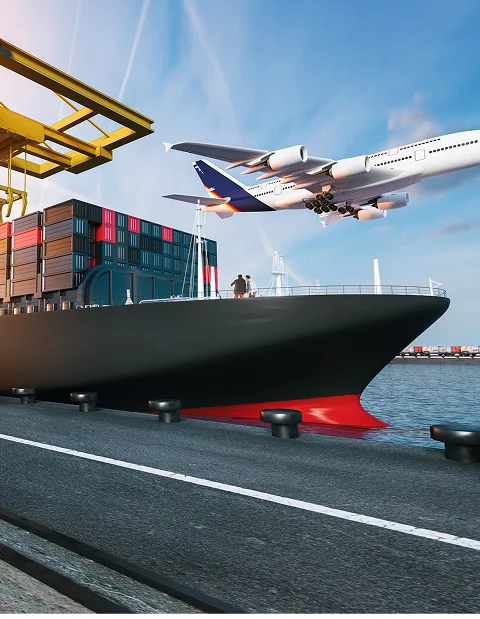
Inadequate packaging is one of the leading causes of cargo damage claims in international freight. Ocean cargo endures 30+ days of vibration, stacking loads, humidity variation, and temperature fluctuations. Even inside a sealed container, goods must withstand the dynamic stresses of sea transit. This guide explains the packaging standards required for international ocean freight, air freight, and multi-modal transport, with specific guidance for the cargo types Marwest LLC regularly handles.

Heavy items on the bottom, light items on top. Weight distributed evenly across the container floor to prevent structural stress. Do not stack cargo that cannot bear the weight of the units above it. Container floor loading capacity is typically 3,000 kg/m².
All void spaces in a container must be filled with appropriate dunnage — air bags, foam, polystyrene, timber bracing, or cardboard — to prevent cargo movement during transit. Shifting cargo is a leading cause of container damage.
Ocean transit exposes cargo to significant humidity variation. Container desiccants (silica gel bags, calcium chloride absorbers) should be used for moisture-sensitive goods. Vapour barrier bags are recommended for metal products and electronics.
All wood packaging materials (pallets, crates, dunnage, packing cases) used in international shipments must be treated and marked under ISPM 15 (International Standards for Phytosanitary Measures). Untreated wood packaging is rejected or destroyed at most international borders.
Treated wood packaging bears the IPPC mark — a distinctive logo with the two-letter country code, producer/treatment code, treatment type abbreviation (HT for heat treatment, MB for methyl bromide — now largely phased out), and producer number. Never accept wood packaging without this mark.
Heat Treatment (HT): wood heated to a core temperature of 56°C for 30 minutes. Dielectric Heating (DH): using microwave energy. Methyl bromide fumigation (MB) is being phased out globally due to environmental concerns.
Passenger tyres can be packed standing upright (most efficient) or flat-stacked. Use timber blocking between tyre layers to prevent movement. Rims should be packaged individually with edge protection foam and stacked with protective dividers. Never stack rims beyond recommended height.
Reefer containers must be pre-cooled before loading. Pallets must allow airflow beneath and between boxes — cargo packed against the container walls blocks airflow and causes temperature variations. Never block container air ducts.
Anti-static bags for ESD-sensitive components. Anti-vibration foam for fragile items. Inner packaging rated for the product. Moisture barrier bags for long ocean transit. Outer cartons marked 'FRAGILE' and 'THIS SIDE UP'.
UN-certified packaging required for all dangerous goods. Packaging type, specification, and maximum quantity determined by the product's UN number and packing group. Do not substitute non-certified packaging.
Our freight specialists are ready to turn your questions into a concrete shipping plan. Contact Marwest LLC for a free consultation tailored to your cargo and destination.
© 2025 Marwest LLC. All rights reserved.